简体中文
简体中文 Español
 Français
 Deutsch
 Русский
 Português
 Italiano
 日本语
日本语 한국어
한국어 العربية
 Türkçe
 Tiếng Việt
 ไทย
ไทย Indonesia
 Melayu


Industrial Baking Oven Selection Guide: Tunnel, Rotary, or Cradle Ovens?
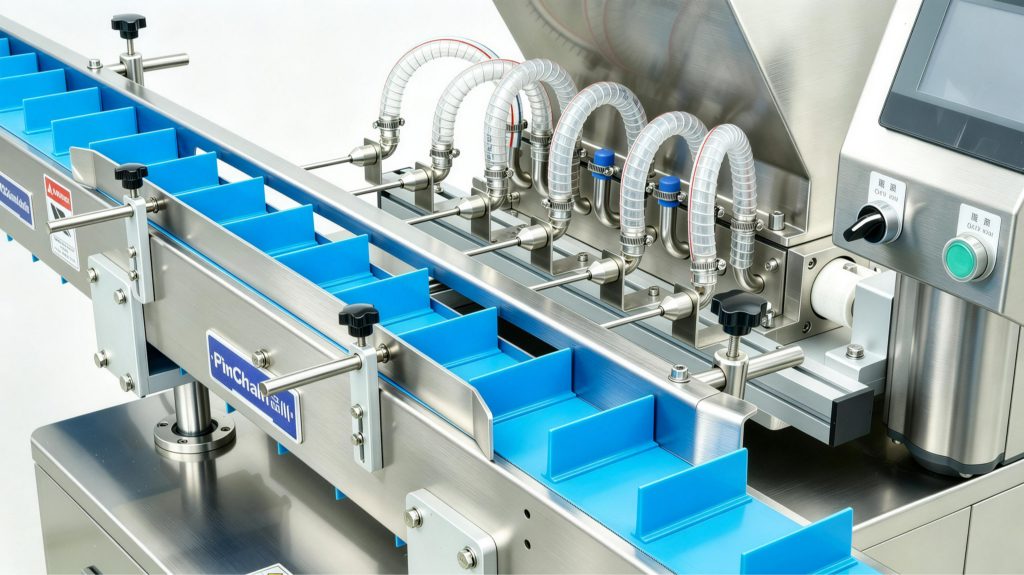
Ovens are the single largest capital investment and energy consumer in a bakery plant. Poor equipment choices lead to high utility bills, uneven baking colors, and poor product moisture retention.
1. Common Pitfalls & Root Causes
- High Energy Consumption: Low-efficiency heating tubes or uncalibrated gas burners waste energy, driving up operational overhead.
- Uneven Heat Distribution (Manual Tray Rotation Needed): Poor internal airflow forcing operators to open oven doors mid-bake to rotate trays manually, losing temperature and wasting labor.
- Excessive Moisture Loss: Moisture-sensitive products (e.g., toast, buns) lose elasticity and softness when baked in ovens without proper heat retention and moisture control.
2. Solutions & Key Selection Criteria
- Match Oven Type to Product Specifications:
- Rotary Convection Oven (e.g., PC-32Q/D): Best for mass-producing cookies, burgers, and pastries. Look for dual triangular airflow vents and 360-degree rotating trolleys to ensure color uniformity across 32 to 64 trays per rack.
- Cradle Oven (e.g., PC-36Q/56Q): Ideal for soft toasts and mooncakes requiring high moisture retention. Infrared heating technology can cut energy consumption by ~30% while eliminating the need to manually rotate trays.
- Tunnel Oven: Ideal for fully automated, continuous production lines. Proportional motor controls or central air-supply gas systems provide precise thermal stability.
- Inspect Chamber Materials and Energy-Saving Features:
- Ensure inner baking chambers are built with food-grade aluminized steel or stainless steel.
- Opt for quick-recovery heating element technology capable of saving 3–7 kW compared to conventional units.