简体中文
简体中文 Español
 Français
 Deutsch
 Русский
 Português
 Italiano
 日本语
日本语 한국어
한국어 العربية
 Türkçe
 Tiếng Việt
 ไทย
ไทย Indonesia
 Melayu


Bakery Equipment Selection Guide for Starting or Expanding a Bakery: Multi-Factor Comparison & Pitfalls to Avoid
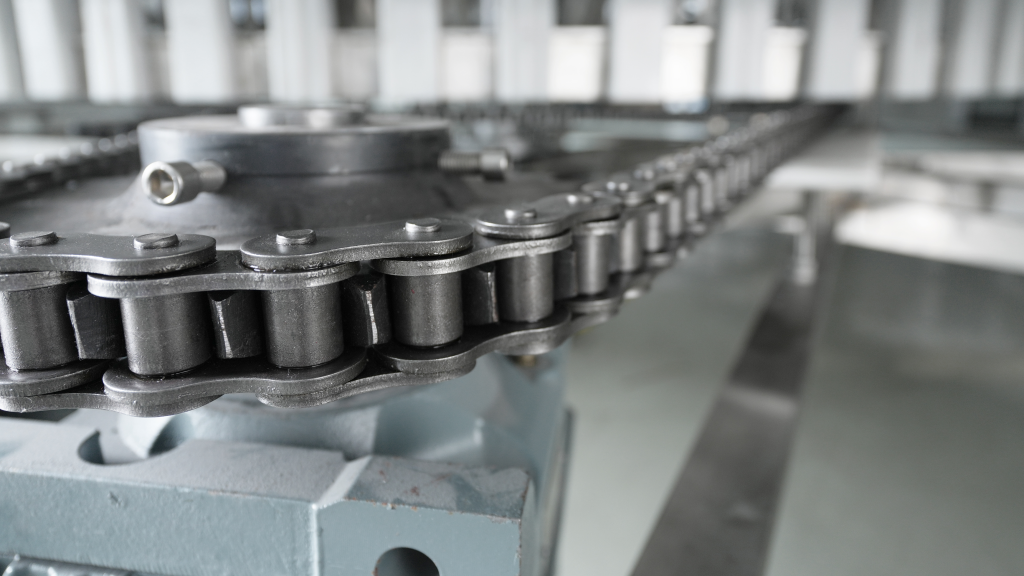
Choosing the wrong equipment can ruin a store. In the baking industry, an experienced baker sets the upper limit of quality, while reliable equipment secures the lower limit. Whether opening a new bakery or expanding a commercial factory, owners often face selection anxiety when choosing from countless options.
Baking equipment serves as the core engine of any bakery or production facility. Selection should never be based solely on price. This article breaks down choices across four key dimensions: oven type, temperature accuracy, energy efficiency, and after-sales service, combined with PinChain baking equipment solutions to help you make an accurate decision.
Baking Oven Types Comparison
Deck Oven
A deck oven features independent top and bottom heat control, uniform thermal radiation, and optional steam systems. It is ideal for artisan bread, baguettes, toast, and soft European breads. However, a deck oven has limited single-layer capacity and requires frequent manual loading.
Convection Oven
A convection oven utilizes hot air circulation for even temperature distribution across multiple trays simultaneously. It suits cookies, tarts, puffs, and macarons. Poor airflow control may lead to uneven browning or drying.
Rotary Oven
A rotary oven accepts full rack carts that rotate inside the chamber, offering high automation for central kitchens and large industrial factories. However, it requires a larger footprint and higher initial investment.
To address flexible production needs, PinChain offers combination deck and convection ovens, merging the bottom heat control of a deck oven with the multi-layer efficiency of a convection oven to save floor space.
Temperature Accuracy Comparison
Standard mechanical control ovens suffer from temperature fluctuations up to ±10℃ to 15℃, which causes inconsistent baking and higher waste rates.
Precision digital control ovens use PID algorithms to keep fluctuations within ±1℃ to 3℃. All PinChain baking equipment integrates smart temperature control systems for rapid heating and fast thermal recovery, maintaining consistent quality across batches.
Energy Efficiency and Operating Costs
The initial purchase price accounts for only a small fraction of total lifetime costs; long-term electricity consumption and energy efficiency drive total operational expenditure.
Ordinary equipment with thin insulation suffers heavy heat loss and high long-term electricity costs.
PinChain baking equipment utilizes high-density insulation and double-glazed Low-E glass doors, achieving 15% to 30% savings in energy efficiency compared to standard models.
After-Sales Service Comparison
Equipment downtime leads to repair expenses, delayed orders, and customer churn.
Ordinary brands often offer slow maintenance response. PinChain delivers full lifecycle after-sales service, including space planning, installation, routine inspection, and rapid emergency response, supported by engineers who provide technical guidance.
Selection Decision Matrix
| Business Scenario | Recommended Type | Key Consideration | PinChain Solution |
| Artisan Bakery | Precision deck oven with steam | Steam output, bottom heat | PinChain Deck Oven Series |
| Chain Dessert Shop | High-efficiency convection oven | Color uniformity, multi-tray | PinChain Combination Series |
| Central Factory | Industrial rotary oven | High capacity, automation | PinChain Rotary Oven Series |
Conclusion
Baking equipment selection requires matching operational needs with quality, efficiency, and cost. Selecting the right machinery will streamline your production process.
PinChain remains committed to providing reliable, high-performance, and energy-efficient baking equipment solutions. Contact a PinChain consultant today for a customized proposal and testing session.