简体中文
简体中文 Español
 Français
 Deutsch
 Русский
 Português
 Italiano
 日本语
日本语 한국어
한국어 العربية
 Türkçe
 Tiếng Việt
 ไทย
ไทย Indonesia
 Melayu


Cake & Mousse Cutting Pitfall Guide: Why You Need Ultrasonic Technology?
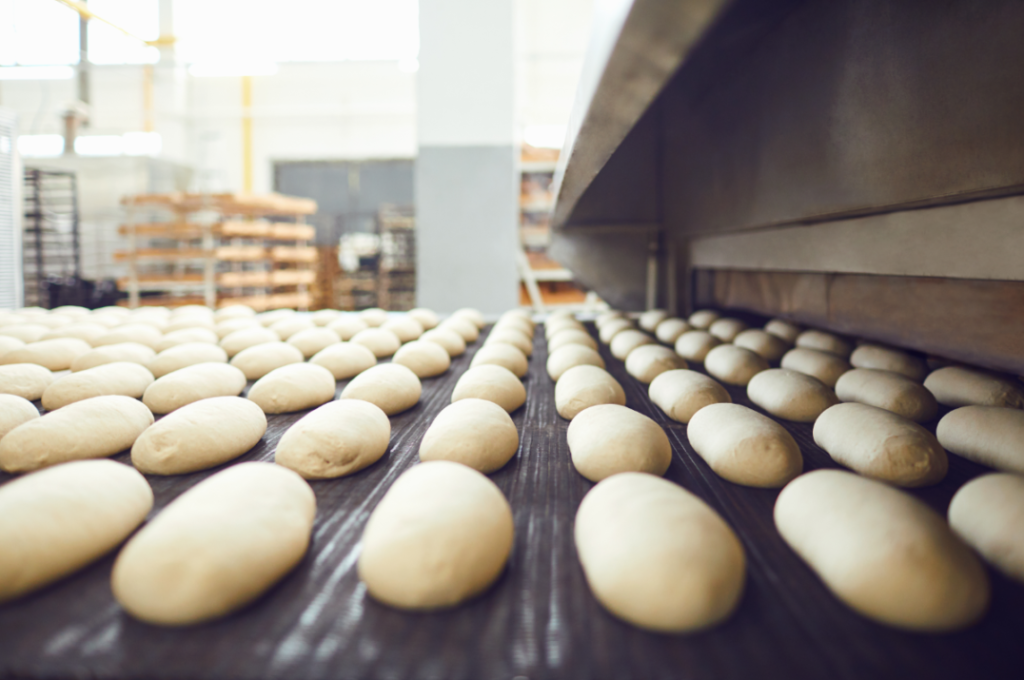
Slicing mousse cakes, frozen cookies, Swiss rolls, and layer cakes often results in blade adhesion, structural crushing, color bleeding, and high product loss. Traditional metal blades require frequent manual cleaning and disrupt production workflow.
1. Common Pitfalls & Root Causes
- Color Smearing & Messy Cross-Sections: Standard blades drag upper-layer cream or jam down through lower cake layers, corrupting visual appeal.
- Cracking in Frozen or Nut-Filled Dough: Cutting frozen cookies with embedded nuts or dried fruits using rigid mechanical blades leads to chipped edges and uneven cuts.
- Downtime for Blade Wiping: Sticky cream forces operators to halt production repeatedly to clean blades manually, bottlenecking efficiency.
2. Solutions & Key Selection Criteria
- Adopt Ultrasonic High-Frequency Vibration (20,000 Hz):
- Core Benefit: Ultrasonic titanium alloy blades vibrating at ~20,000 Hz per second (e.g., PinChain PC-800A/B, PC-1000A) reduce cutting friction to near zero. This ensures clean, smear-free cross-sections even on sticky mousse or layered cakes.
- Verify Blade Metallurgy and Precision Drives:
- Choose systems built with high-grade titanium blades driven by servo motors and ball-screw mechanisms for consistent dimensional accuracy.
- Invest in Integrated Cutting, Paper-Inserting, and Film-Wrapping Machines:
- For mass production, select all-in-one machines (e.g., PC-1000B / PC-208B) that perform cutting and automated paper insertion or edge wrapping simultaneously to streamline packaging and improve hygiene.